


Healing Plantar Fasciitis Fast: How New York Runners Are Using Advanced Pressure Wave Therapy This Summer
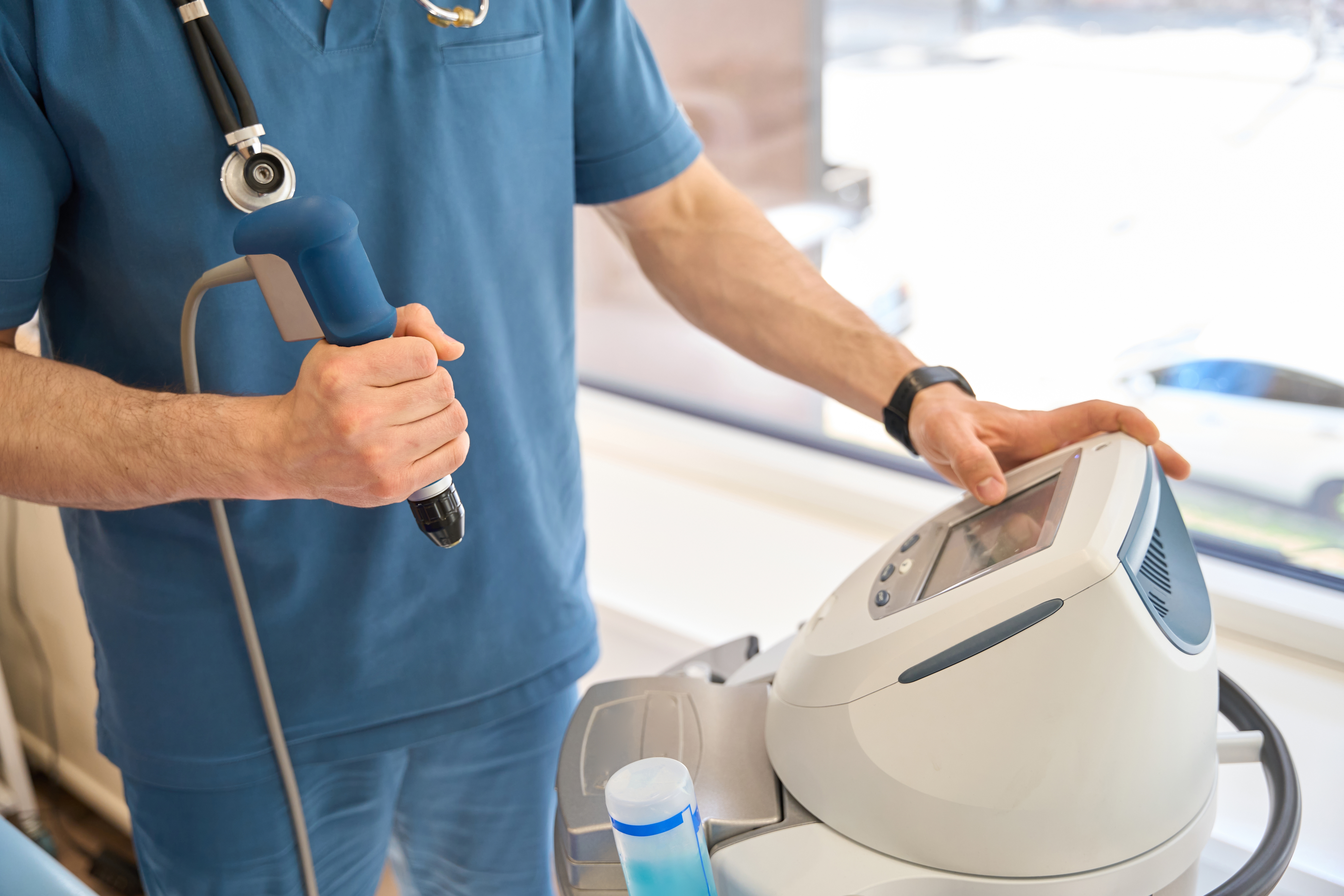
Summer running in Western New York can be motivating, but heel pain can quickly turn training into frustration. For runners dealing with plantar fasciitis, every step may feel sharp, tight, or sore, especially first thing in the morning or after longer mileage. When stretching, shoe changes, and rest are not enough, advanced pressure wave therapy may help support faster recovery and better function.
At Garmone Chiropractic in Depew, we offer pressure wave therapy for soft tissue, tendon, overuse, and pain-related conditions to help patients move more comfortably.
Why Plantar Fasciitis Flares Up In Summer
Plantar fasciitis happens when the thick band of tissue along the bottom of the foot becomes irritated. This tissue, called the plantar fascia, helps support the arch and absorbs force with each step.
Summer can make symptoms worse because many runners increase mileage, switch surfaces, travel, or spend more time in unsupportive footwear. Running on pavement, hills, trails, or beach-like surfaces can also increase stress through the heel and arch.
For New York runners, July and August often bring more outdoor activity, which can expose small foot mechanics issues that were easier to ignore during slower seasons.
What Pressure Wave Therapy Does
Pressure wave therapy, also called shockwave therapy, uses acoustic energy to target irritated soft tissue. The treatment is designed to stimulate a healing response, support circulation, and help reduce pain in areas affected by chronic strain.
For plantar fasciitis, pressure wave therapy may be used to address the stubborn tissue irritation that keeps heel pain coming back. It is non-invasive, does not involve anesthesia, and typically does not require downtime.
Why Rest Alone May Not Solve Heel Pain
Rest can reduce symptoms temporarily, but many runners notice the pain returns as soon as they resume training. That is because plantar fasciitis is often connected to more than inflammation. Tight calves, poor foot mechanics, limited ankle mobility, training errors, weak hip or foot muscles, and worn-out shoes can all contribute.
If the same stress keeps returning, the plantar fascia may stay irritated. A more complete care plan looks at both pain relief and the movement patterns behind the problem.
Signs Your Heel Pain May Be Plantar Fasciitis
A chiropractic evaluation can help determine whether plantar fasciitis is contributing to your symptoms. Common signs include:
- Sharp heel pain with the first steps in the morning
- Pain after running, walking, or standing
- Tightness through the arch or bottom of the foot
- Heel pain that improves after warming up, then returns later
- Discomfort after wearing flat or unsupportive shoes
- Pain after increasing mileage or changing terrain
- Tenderness near the bottom of the heel
- Recurring symptoms despite stretching or rest
These symptoms may also overlap with Achilles problems, nerve irritation, stress injuries, or other foot and ankle concerns.
How Pressure Wave Therapy Supports Runners
Runners often need treatment that supports recovery without putting training on hold for too long. Pressure wave therapy may help by targeting the irritated tissue directly while encouraging the body’s repair process.
At Garmone Chiropractic, pressure wave therapy can be part of a broader plan that may include chiropractic care, mobility work, stretching guidance, strengthening, footwear recommendations, and training modifications. The goal is to help the foot tolerate activity better, not simply quiet symptoms for a few days.
What To Expect During Treatment
During a pressure wave therapy session, your provider applies controlled pulses to the affected area. Some patients feel tapping, pressure, or mild discomfort while the treatment is performed. The intensity can often be adjusted based on tolerance.
After treatment, your provider may recommend avoiding intense activity for a short period, depending on your symptoms and training goals. Many patients continue normal daily activity, but running plans may need to be adjusted while the tissue improves.
When Heel Pain Should Be Evaluated
Do not ignore heel pain that lasts more than a few weeks, worsens with activity, or changes how you walk. Altered gait can place stress on the knees, hips, and low back. Runners should also seek evaluation if pain is severe, follows an injury, causes swelling, or makes weight-bearing difficult.
Early care can help prevent a manageable problem from becoming a longer setback.
Keep Your Summer Miles Moving
Plantar fasciitis can make running feel impossible, but chronic heel pain does not have to define your summer. With the right evaluation and targeted pressure wave therapy, New York runners may be able to reduce irritation, support healing, and return to activity with better confidence.
To schedule an evaluation for plantar fasciitis or pressure wave therapy, contact Garmone Chiropractic in Depew, NY at 1380 French Rd, Depew, NY 14043, or call (716) 668-5400.


Copyright © 2026. All Rights Reserved. Accessibility Statement
Powered by: 